Sporadically crafted. Enticingly tactile. Mostly inedible. Occasionally beslugged. They are the underfoot fungi of autumn’s vibrant decay, photographed in situ at Frontenac Provincial Park of Ontario.
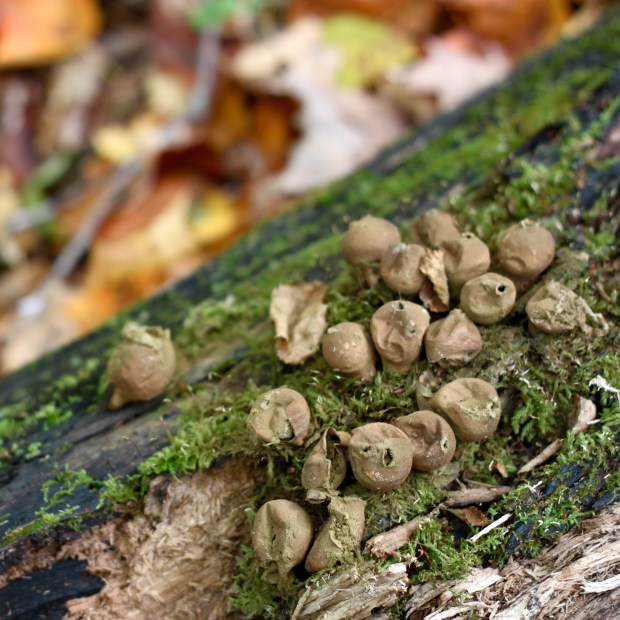
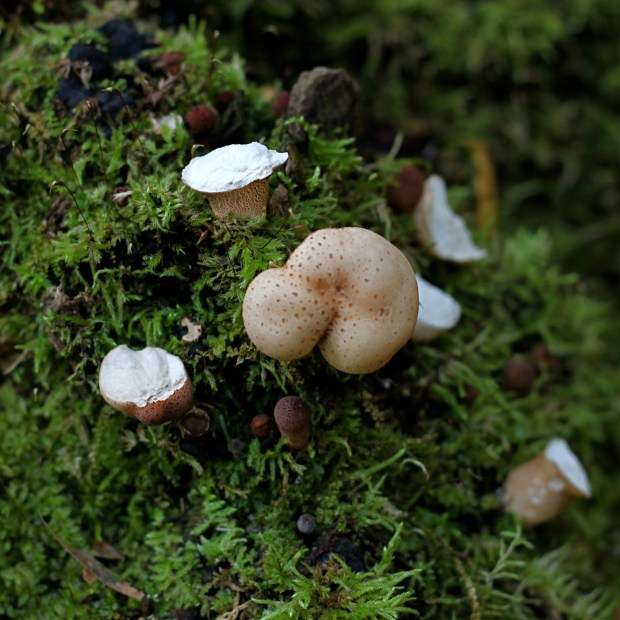
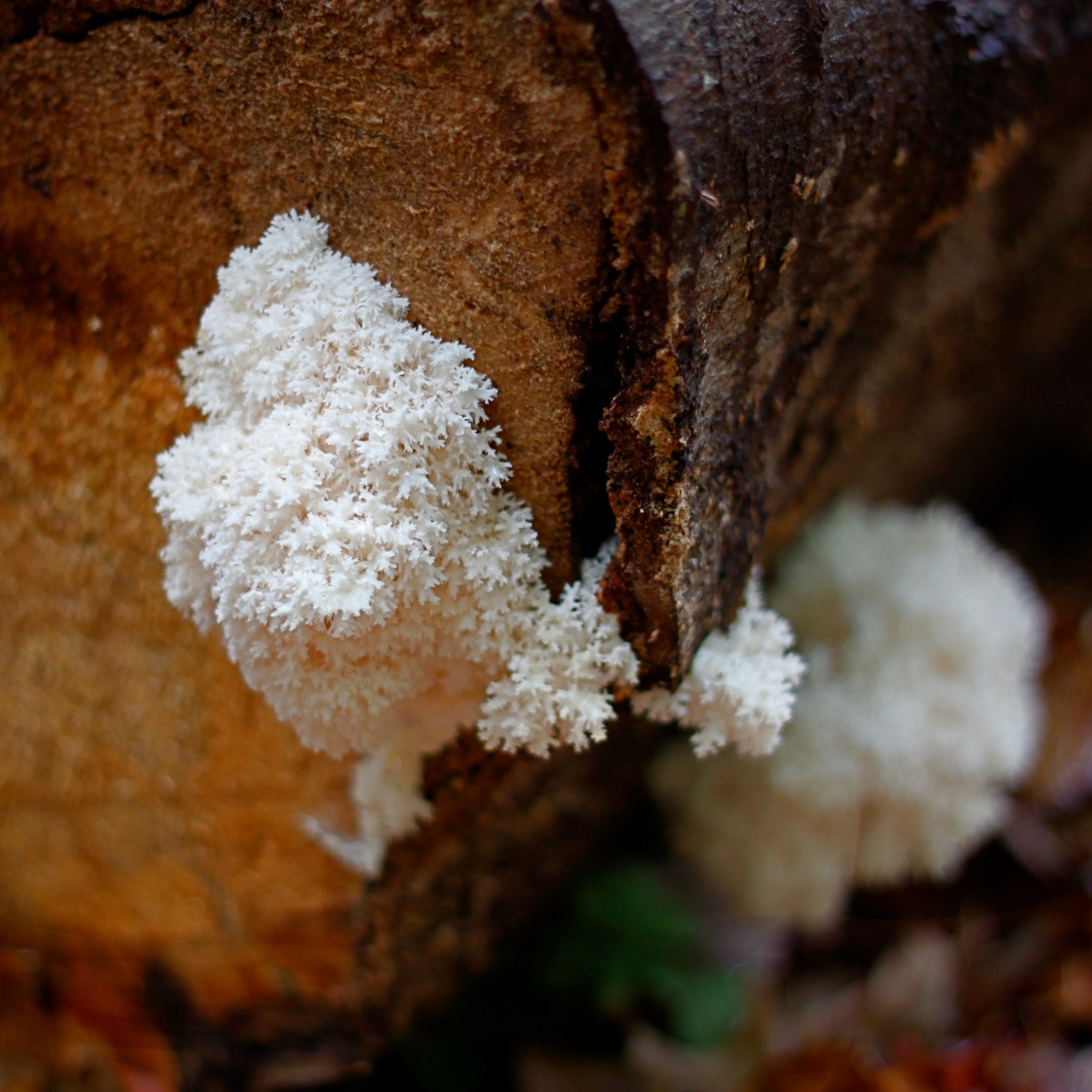
Sporadically crafted. Enticingly tactile. Mostly inedible. Occasionally beslugged. They are the underfoot fungi of autumn’s vibrant decay, photographed in situ at Frontenac Provincial Park of Ontario.

On a mucky gravel bar downriver from a towering hydro dam we took to the water like creaky old boy scouts, haphazardly greased in bug juice and squinting through the drizzle.
All around us the boreal forest went by as unmetered verse:
Spruce, spruce, birch, spruce,
Birch, spruce, spruce, spruce, birch,
Spruce, birch, spruce,
Spruce, spruce, birch, birch…
The water curdled to life as rapids and goose tails and the breaching of trout, while on either bank the dark, empty woods remained disarmingly silent.
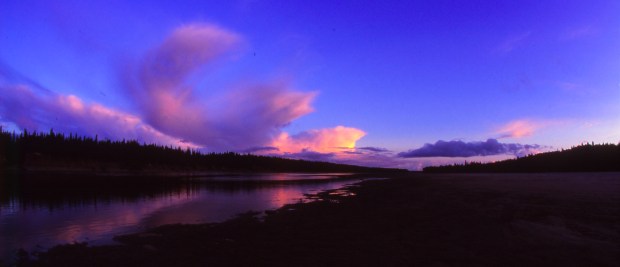
This is a summary account of an expedition of the lower Mattagami and Moose Rivers from July 29 to August 6, 2014. Three men, two boats (one a 17-foot Nova Craft Prospector canoe; the other a 13.5-foot open-water kayak) and about two hundred and fifty pounds of outfit.
Part I: 86km on the Mattagami River from Kipling OPG Hydro Station to the junction with the Missinaibi River and the start of the Moose River.
Part II: 94km on the Moose River from the Missinaibi junction to the (former) Tidewater Provincial Park.
Part III: Moose Factory, Moosonee, and the Polar Bear Express.
Part IV: Tips for interested trippers
Continue reading “Paddling the Mattagami and Moose Rivers north to Moosonee”
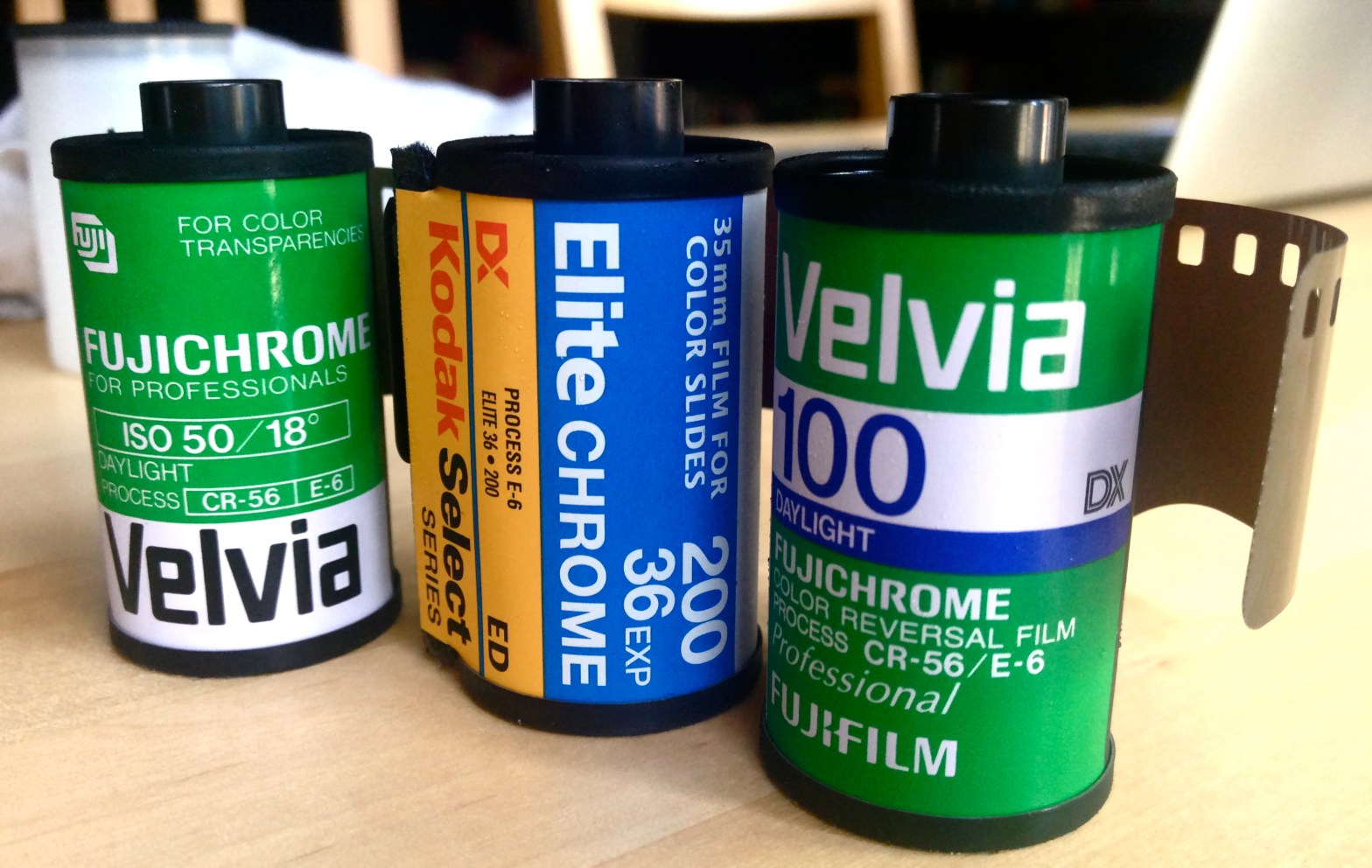

On a recent canoe trip down the Mattagami River, tucked into my drybags amongst the fleece and flannel were seven rolls of Fuji Velvia 100, one of the most brilliant 35mm films ever made. Velvia is transparency (or “slide”) film and requires a unique chromogenic process known as E6 to develop the images exposed.
[This post has been updated on Sept 9, 2014. See below.]
E6 processing involves up to six chemical baths for development, several of which are unique to slide film (as opposed to negative film that nowadays is mostly C41 processed). As a hobbyist I’ve never ventured into E6 and have always taken my slide film to a lab.
As of this summer, I’m told, the company that supplied Toronto’s photography labs with those chemicals has ceased importing them from Japan. (I also learned from one lab that one of the parts used in the process, made by a German company, is also out of distribution.)
Thus, Toronto’s major labs — including Toronto Image Works, Northern Artists, and Downtown Camera — have ceased to offer E6 processing.
But there is still hope, for now. An enthusiastic Toronto photographer named David Nardi is offering E6 processing service by mail order. Check out his website e6it.ca for details.
Earlier this month I met him in the lobby of his High Park condo amid nearly a dozen others dropping off orders of either 35mm slide film or 120 negative film, which he also develops. I’m still waiting for the results — his lab is out in the country and he is just one person, after all — but I’m as curious about his developments as I am contemplative of the end of an era.
Results to be posted soon. In addition to David Nardi, the labs also recommended Borealis Lab in Montreal, which accepts E6 orders by mail for processing.
Meanwhile, if any readers have any news or further details about E6 in Toronto, please comment or contact me.
Update September 9, 2014: David Nardi at e6it.ca has announced on his website that he is suspending services due to demand. The site also points users to labs that, for the time being, are still offering E6 processing: VCG Creative Imaging in Toronto and Borealis in Montreal.
This has always been a one-man, part-time, low-volume, batch processing operation. My machine is wonderfully versatile, however it cannot support the large quantities of film that I’ve been receiving. My throughput is quite low and my last run has taken a week to complete: this, combined with a relentless full-time work schedule has hampered my ability to offer reasonable and timely runs in the future.
Viva Velvia.
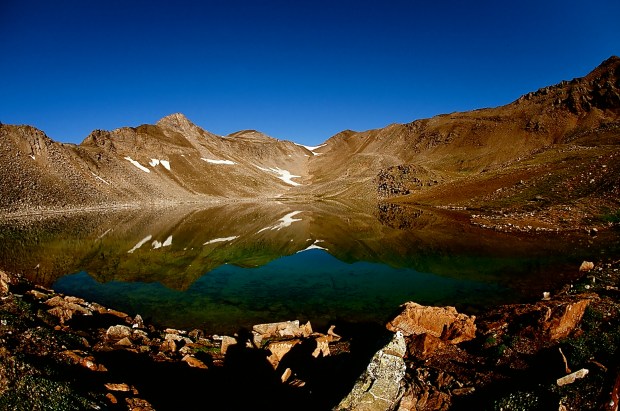
Photos by Richard A. Johnson
For February and March 2014, I’m heading back to India to expand my research and writing projects–developed at the Banff Centre last year–into a non-fiction book. The subject: child sponsorship.
What is child sponsorship, you ask? It’s a great multitude of things. It’s the dollar-a-day or so that you donate to a multinational charity to fund development programs in poorer countries in Africa, Asia and Latin America. It’s a complex partnership between donors, international non-profits, indigenous non-governmental organizations (NGOs), urban slums and rural villages, and, of course, children.
It’s a web of good ideas, good intentions, lots of money and a general desire to be a part of global change through local action in the fight against systemic poverty. It is also fraught with misperception, misinformation, misrepresentations and misappropriation. It sometimes looks pretty and feels good, and certainly millions of lives are changed for the better.
In my experience, how it works successfully is usually explained quite well. But how it works poorly–well, that’s where the untold story lies.
The children who write you letters and send you photos that you stick to your fridge are the symbols–the ambassadors to use the contemporary expression–of anti-poverty development. They are also children who have names, identities, struggles, successes, fears and doubts; children who are caught up, mostly unwittingly, in the vast child-sponsorship complex.
I don’t expect to change the world. I only want to tell a story that might change the way we look at it. It’s a story of a place and time; of inspiring people and a few who take advantage of power and privilege; of truth and deception; of our desire to change the world. I hope it’s a story for everyone.
Stay tuned. Contact me for more information.
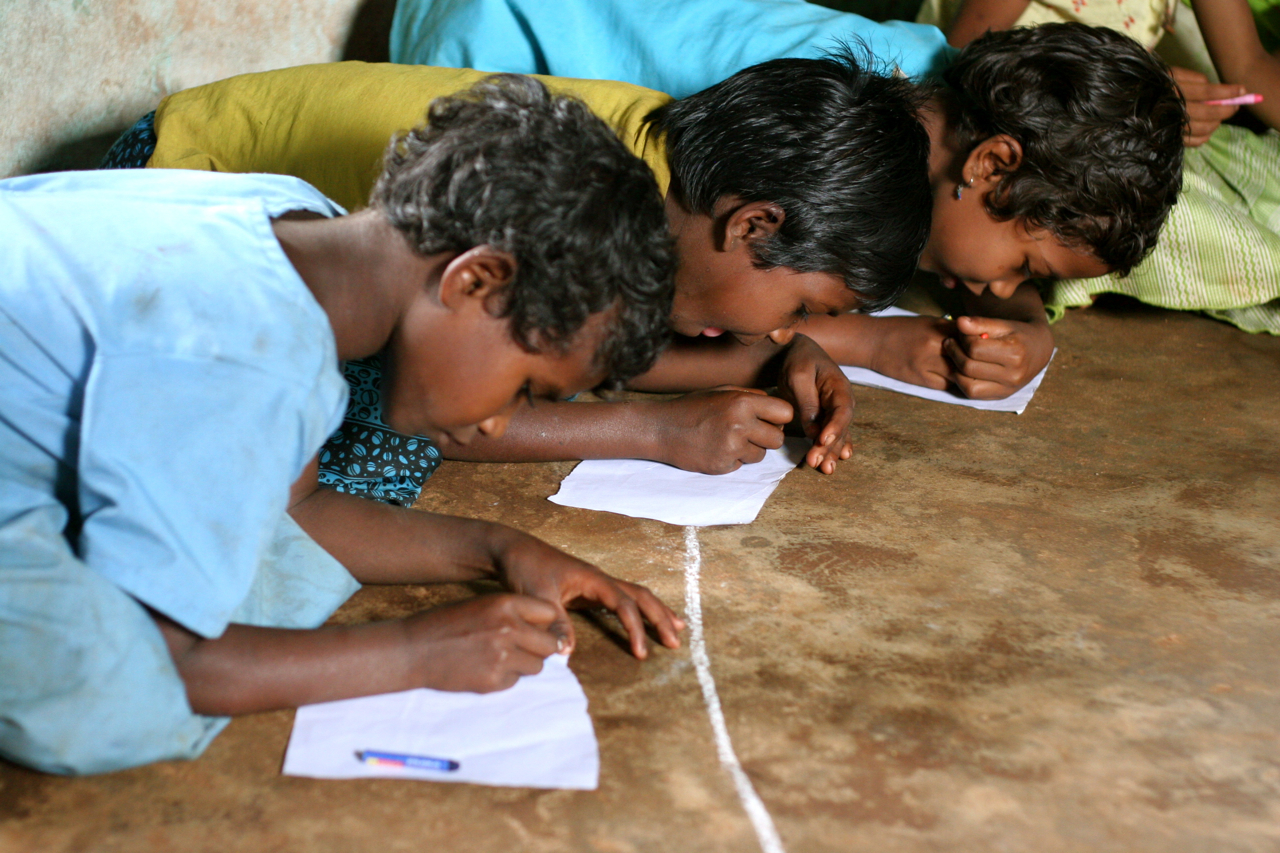
Photograph: Children at a NGO-supported community centre in Kandhamal, India. (Copyright Richard A. Johnson; photograph taken with the expressed permission of the children and the NGO.)

It is an uncharacteristically bleak day in Varadero, Cuba’s most popular beach town. A period of sunny skies, calm seas and high temperatures has been interrupted by cool, drizzly bluster. Resort tourists flee the beaches. Here is a view of what they leave, from the perspective of the ocean.

Continue reading “Ocean meets Varadero: A Walk on the Beach in Cuba”
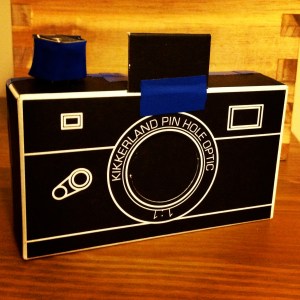 My friend the photographer Dean Bradley and I built a Kikkerland paper pinhole camera, a do-it-yourself adventure whose official instructions carried the phrase, “Quite frankly, it’s not so easy to put together.”
Without beer.
And some light cursing.
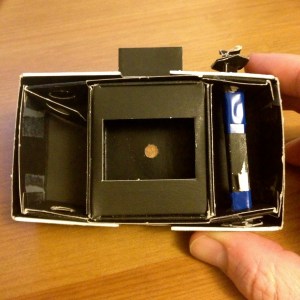 Nimbly constructed out of perforated heavy-stock paper, double-sided scotch tape and attractive royal-blue electrical tape–plus a single, millimetre-thick copper plate with the pinhole itself–this simple solargraphic device put the fun in fundamentalist obscura.
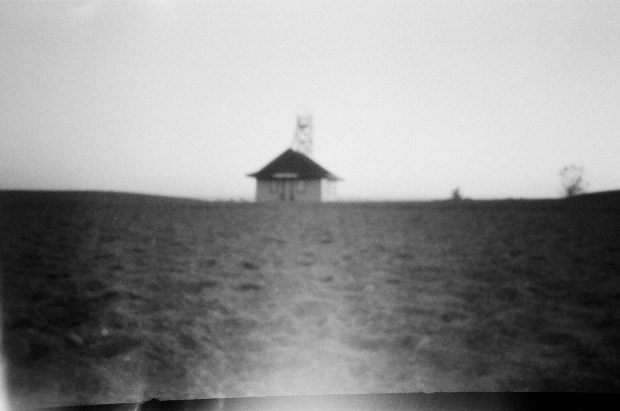
Let the photographic record bear witness to the fact that we are new to the craft, and that the 35mm negative film–Ilford XP5 ISO 400–was exposed on a breezy day of -2 degrees Celsius.
 Good news: I have been accepted for a residency in Literary Journalism at the Banff Centre, nestled in the Canadian Rockies west of Calgary.
It’s an honour. I’m off to spend the month of July sharpening my writing skills in an idyllic and inspirational setting, with seven other great young writers and three fantastic instructors.
 The creative non-fiction short story “Unfelled: A Naxal Encounter” has been awarded second prize in the 2012 Great Canadian Literary Hunt, sponsored by This Magazine.
The story traces the contours of a man called Sudhir in a place called Kandhamal in southeastern India; a rough etching of the confluence of grassroots development work, aboriginal communalism and anarchistic violence set at a roadblock in the forest.
Read the complete article at this.org or here on this site.
Toronto to Manitoulin Island via Guelph, Tobermory and Bruce National Park.
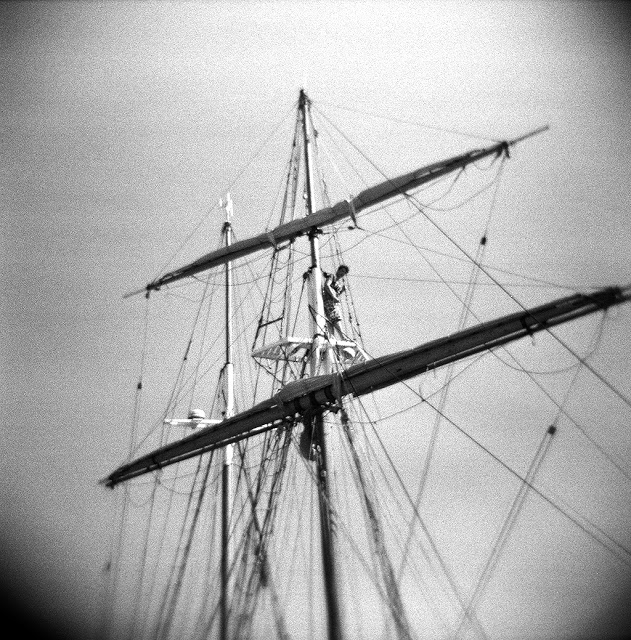
Photographs with the indomitable Holga + Fuji Neopan 400.
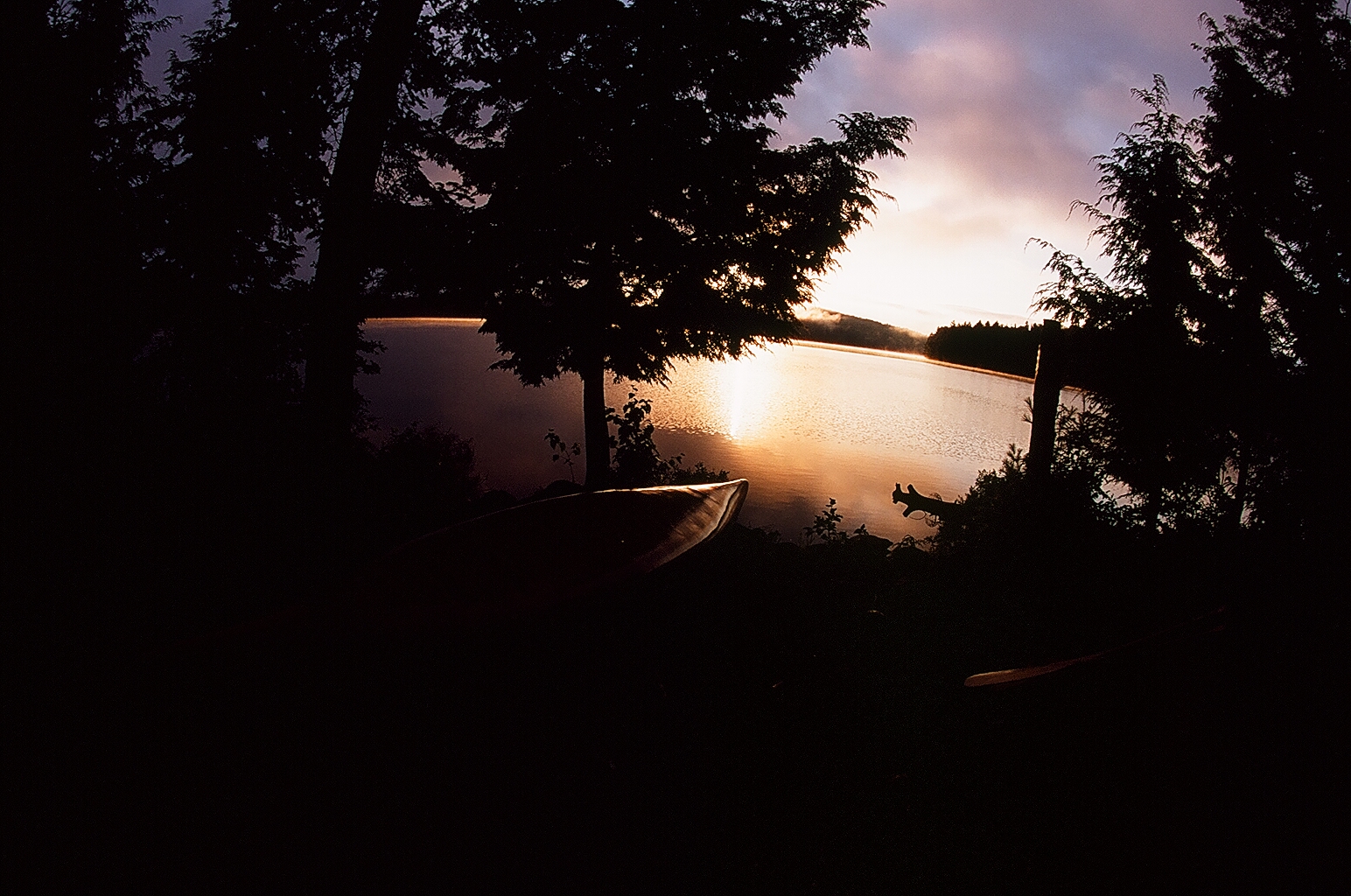
The first of twenty-four portages feels like chaos, like a summer storm wreaking havoc on a beach; the last, like an old friend comfortably leaning on your tired shoulders.
Everything in between is no more and no less an addictive progression of ache.
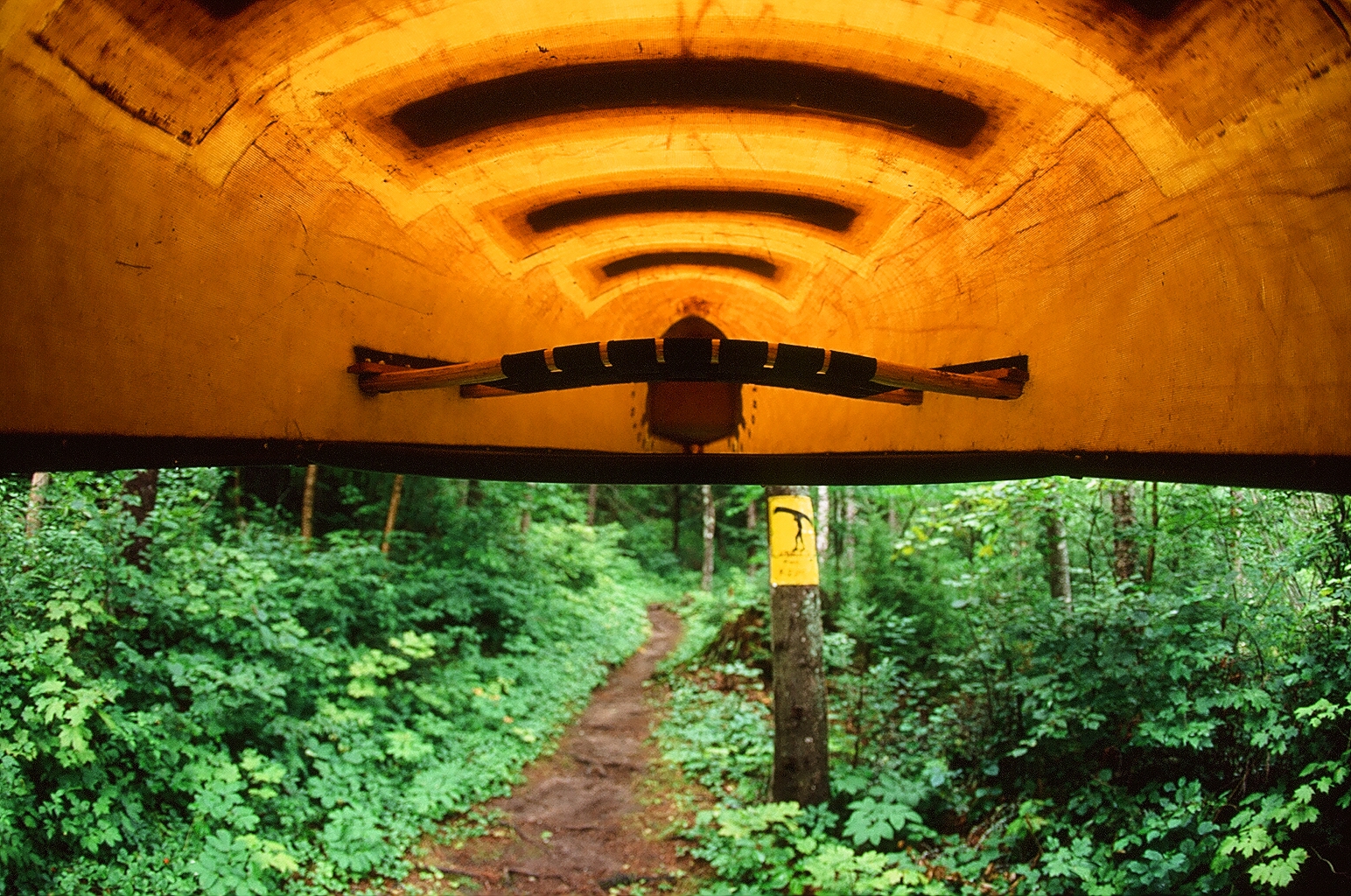
Before we began our Algonquin paddling adventure, I’d wondered whether the portage ache–the unique stiffening soreness of schlepping first a 55lb backpack and then a 42lb canoe over crooked forest trails as long as 2km in between each lake–would, like its counterpart the alpine ache, come to be felt as both agony and ecstasy.
Continue reading “Aching for the Portage: A Week in Algonquin Park”


 Richard Alexander Johnson